Natural Diamonds
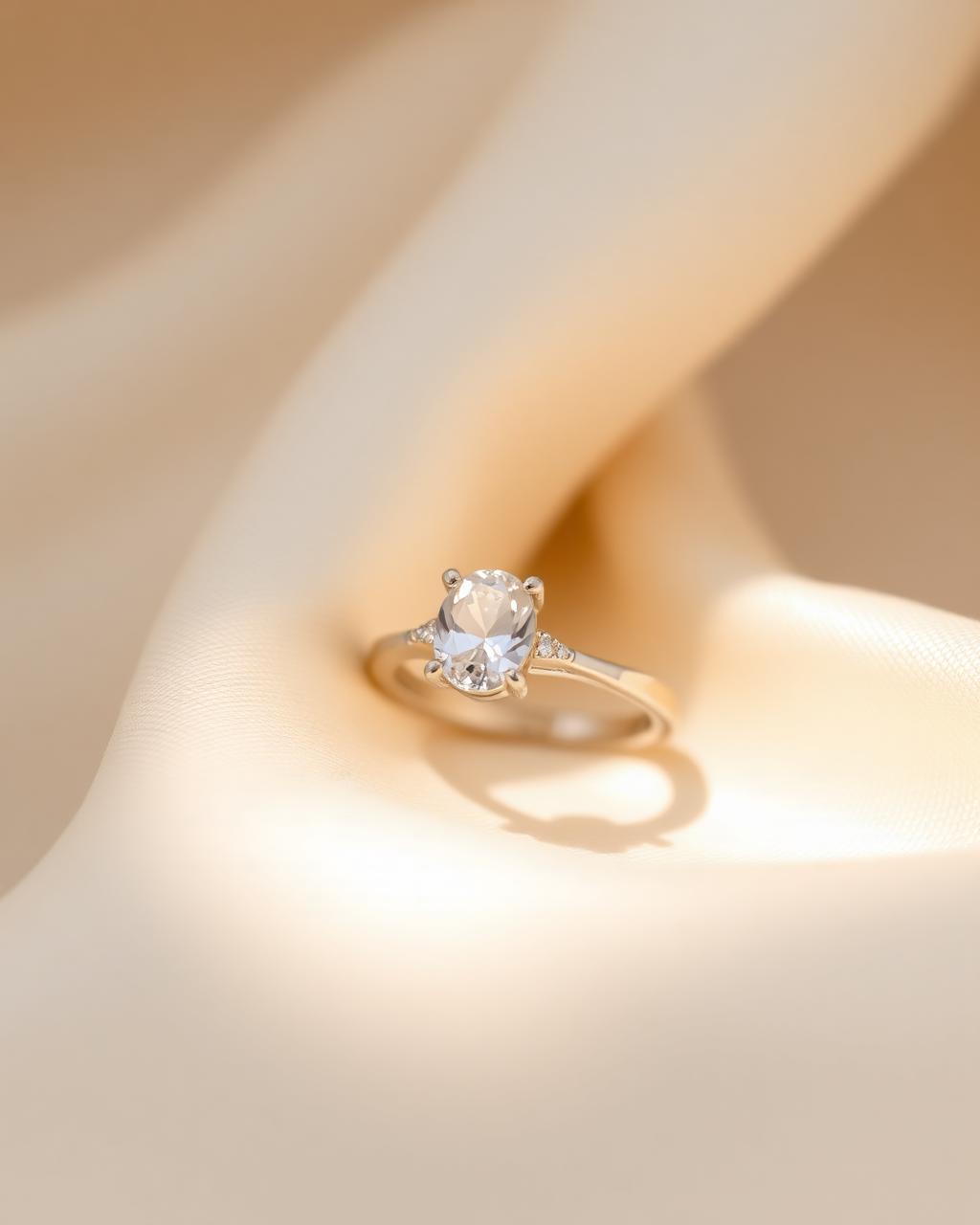
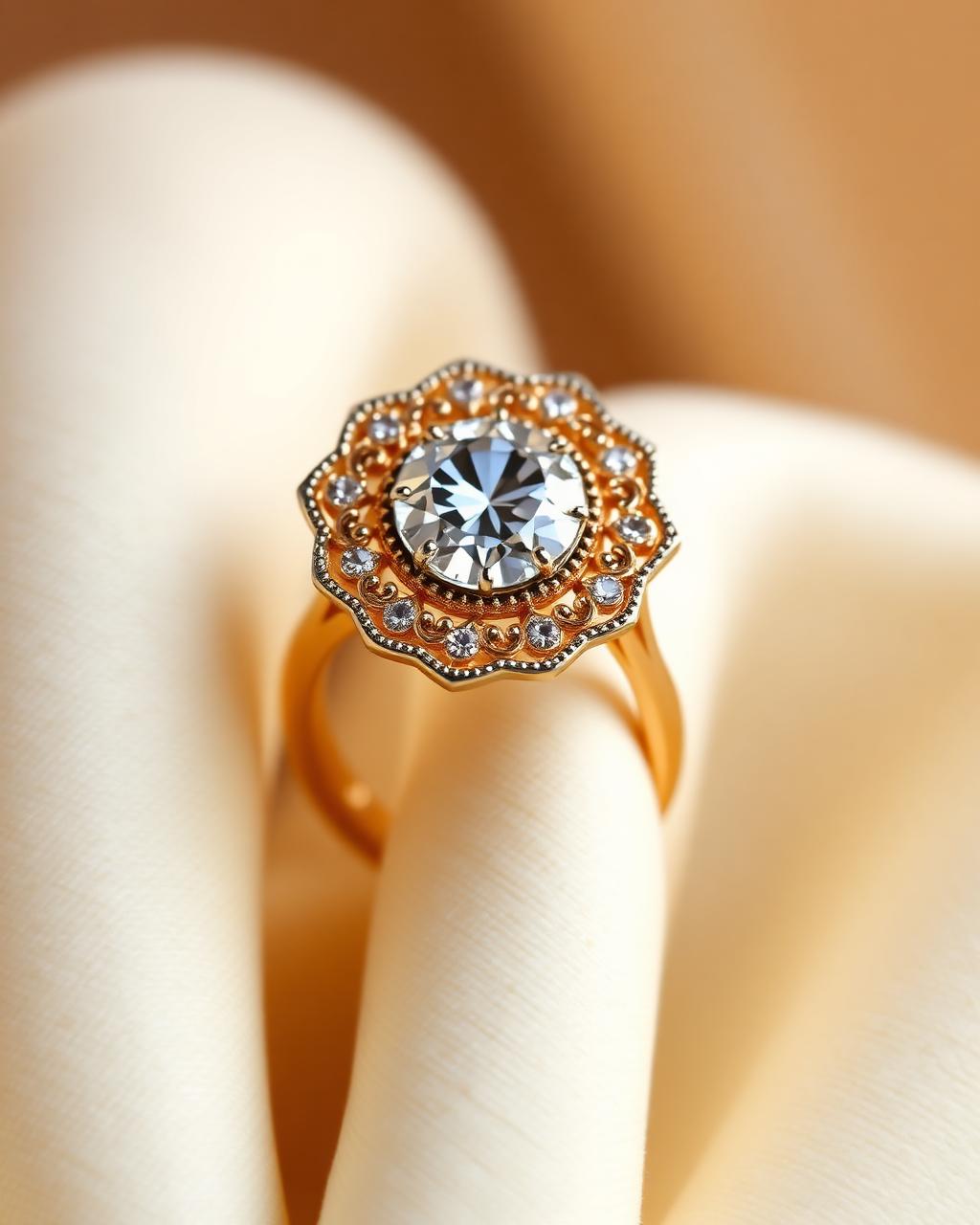
Formed deep in the earth over billions of years. Many clients are drawn to their rarity, history, and the meaning of wearing something created by nature long before us.
The Atelier Guide
Twenty-five years of expertise from our family of GIA-credentialed jewelers, distilled. Use this guide to understand diamonds, metals, gemstones, and the custom design process — then visit us in Gilbert to see it all in person.
Chapter One
Both are real diamonds. Both are beautiful. Our job is not to steer you toward one — it's to help you understand the differences so you can choose the diamond that feels right.
Formed deep in the earth over billions of years. Many clients are drawn to their rarity, history, and the meaning of wearing something created by nature long before us.
Chemically, physically, and optically identical to natural diamonds — graded the same way, just as durable. Their advantage is value: a larger or higher-quality stone within the same budget.
There is no wrong answer. Some clients prioritize natural origin; others prefer to maximize size, color, and clarity or invest more in a custom setting. We help you compare both side by side, in person.
Bring your priorities — budget, size, design vision, personal meaning — and we'll show you both. Many clients are surprised by what they choose once they see the diamonds at our showroom.
Chapter Two
Cut governs how a diamond returns light. The finer the proportions, polish, and symmetry, the more brilliance, fire, and scintillation. Cut — not carat — is the single greatest driver of beauty.
Graded D (colorless) through Z, color measures the absence of warmth. We typically guide clients toward D–H for a bright, white appearance that complements both platinum and gold settings.
Clarity describes a diamond's internal character. Most inclusions are invisible without magnification. We help you find an eye-clean stone that delivers maximum beauty for your budget.
Carat is weight, not size. Two diamonds of identical weight can look very different depending on cut. We balance carat with proportion so your stone wears as beautifully as it measures.
Chapter Three
Shape often has a bigger impact on a ring's personality than size. Some shapes maximize sparkle, others emphasize clean lines or visual size on the finger.
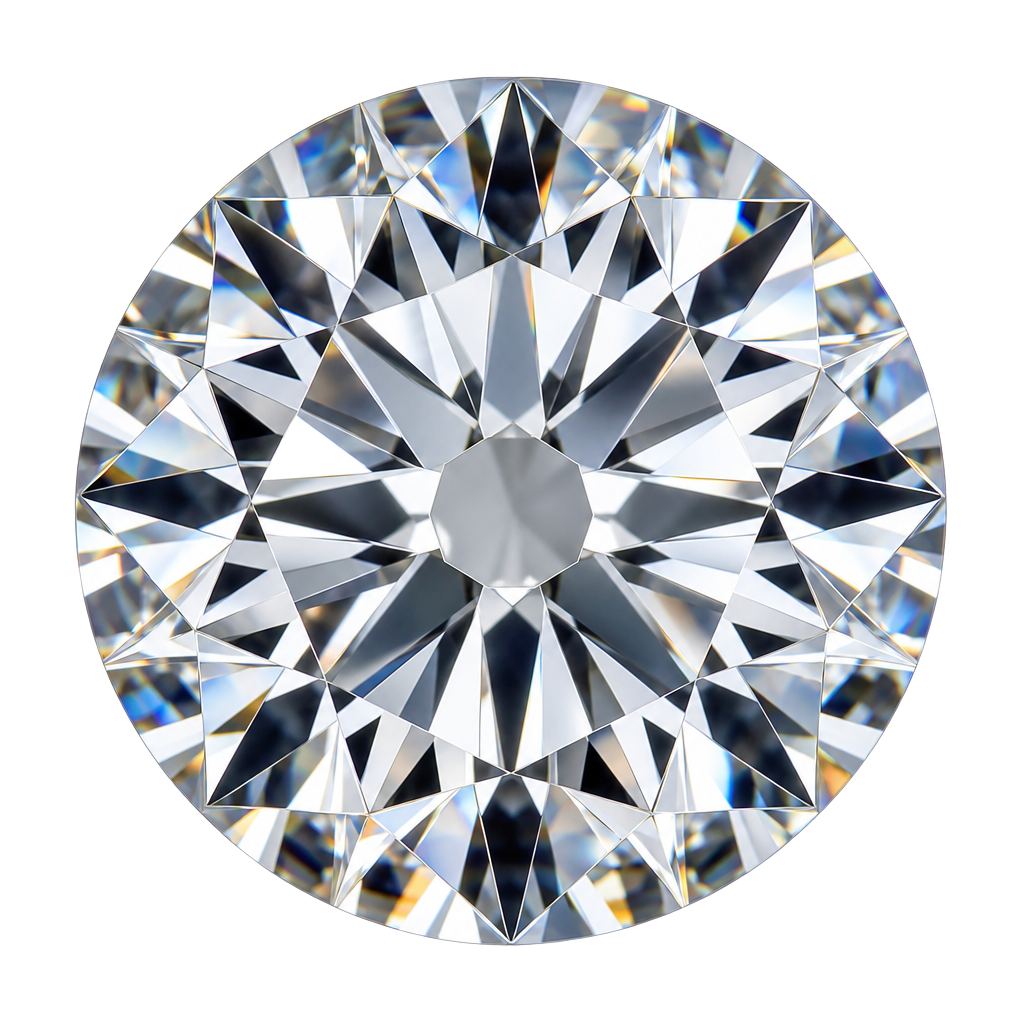
Round Brilliant
The most classic shape. Exceptional brilliance and timeless appeal.
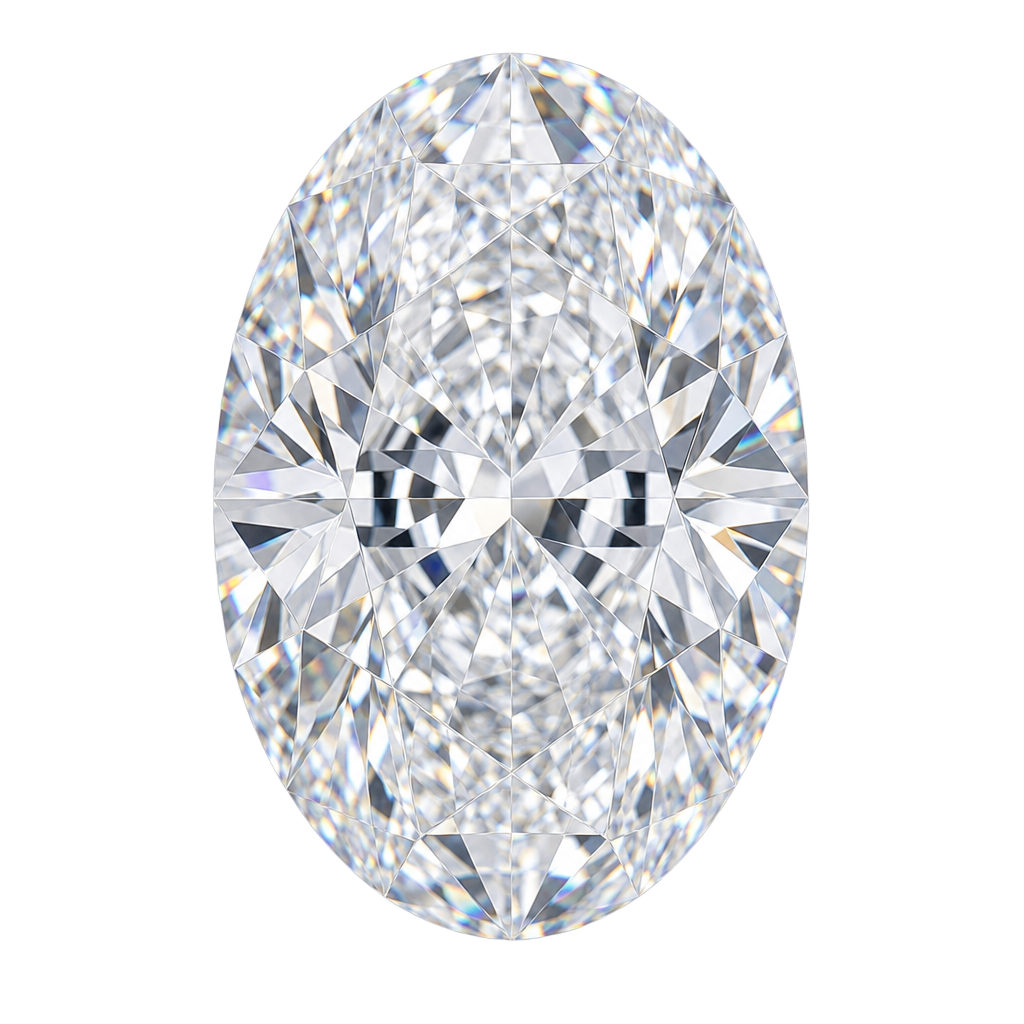
Oval
Elongated brilliance that flatters the hand — graceful, timeless, and full of fire.
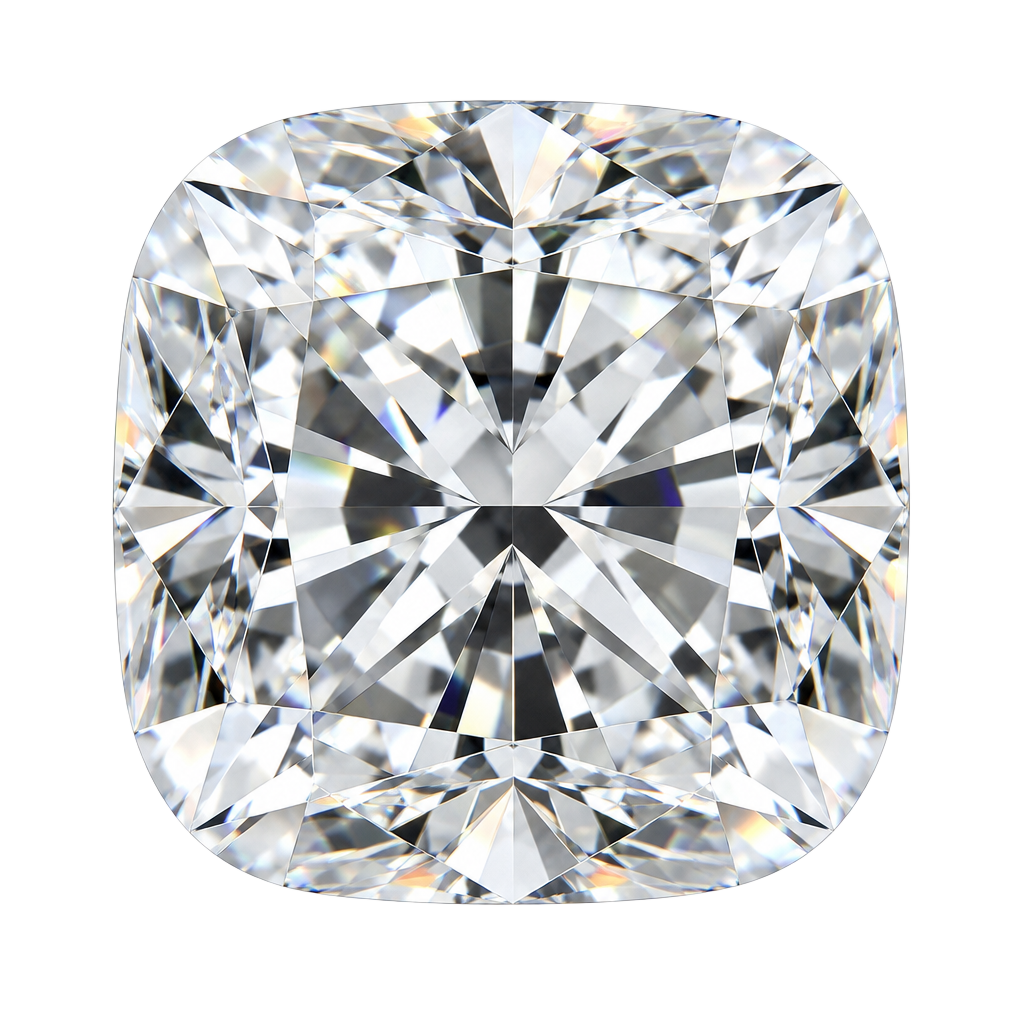
Cushion
Soft corners with a romantic, vintage-to-modern feel.
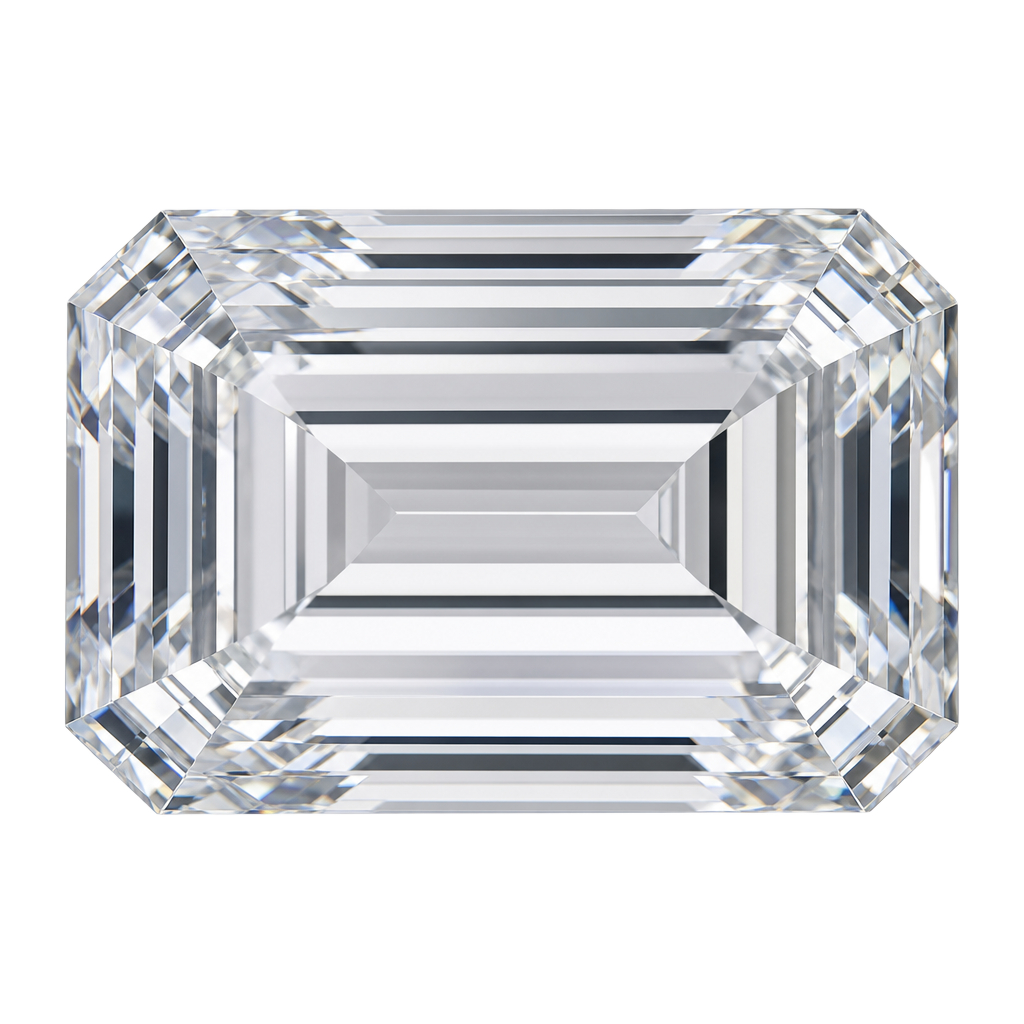
Emerald
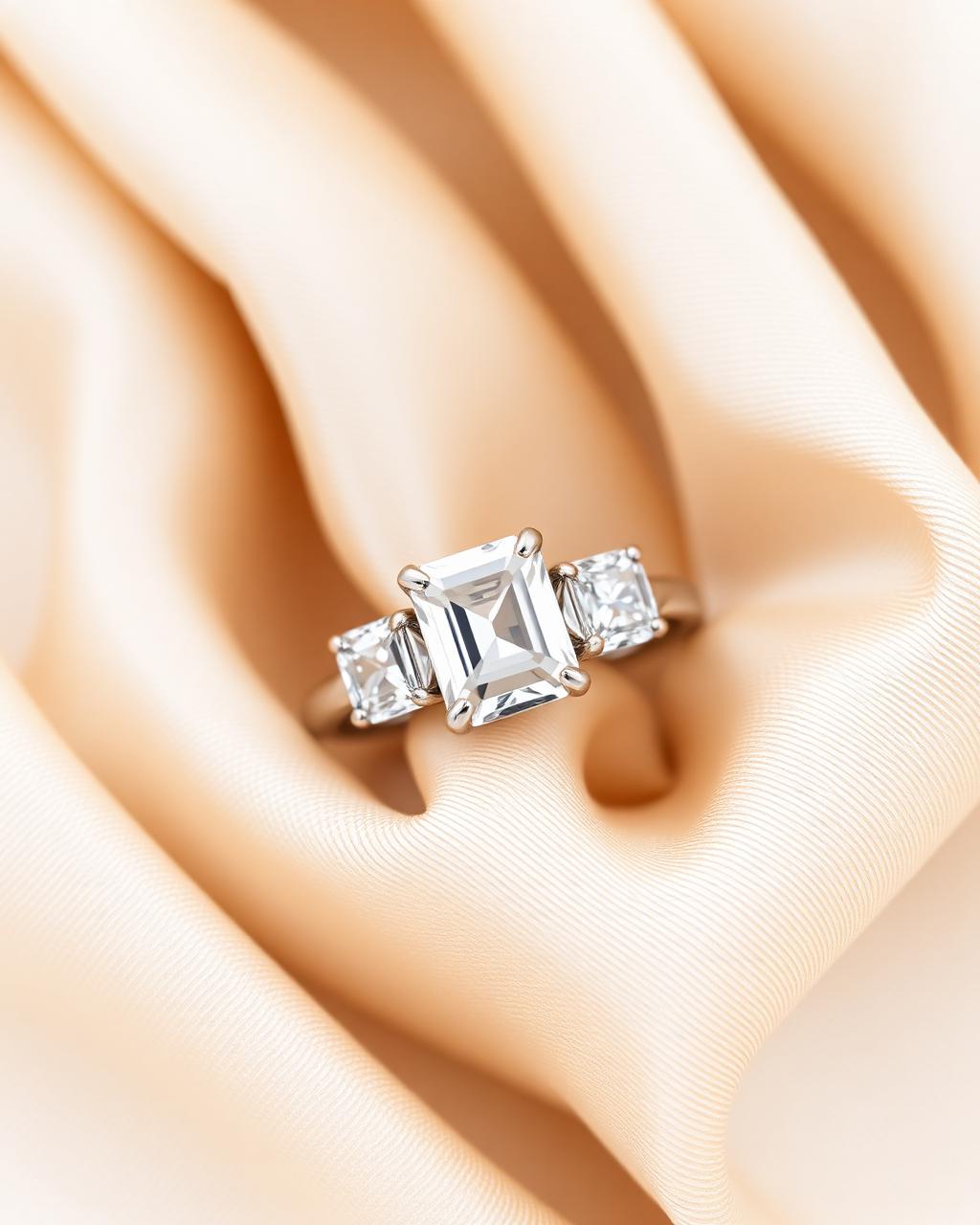
Step-cut clarity. Sophisticated, architectural lines over sparkle.
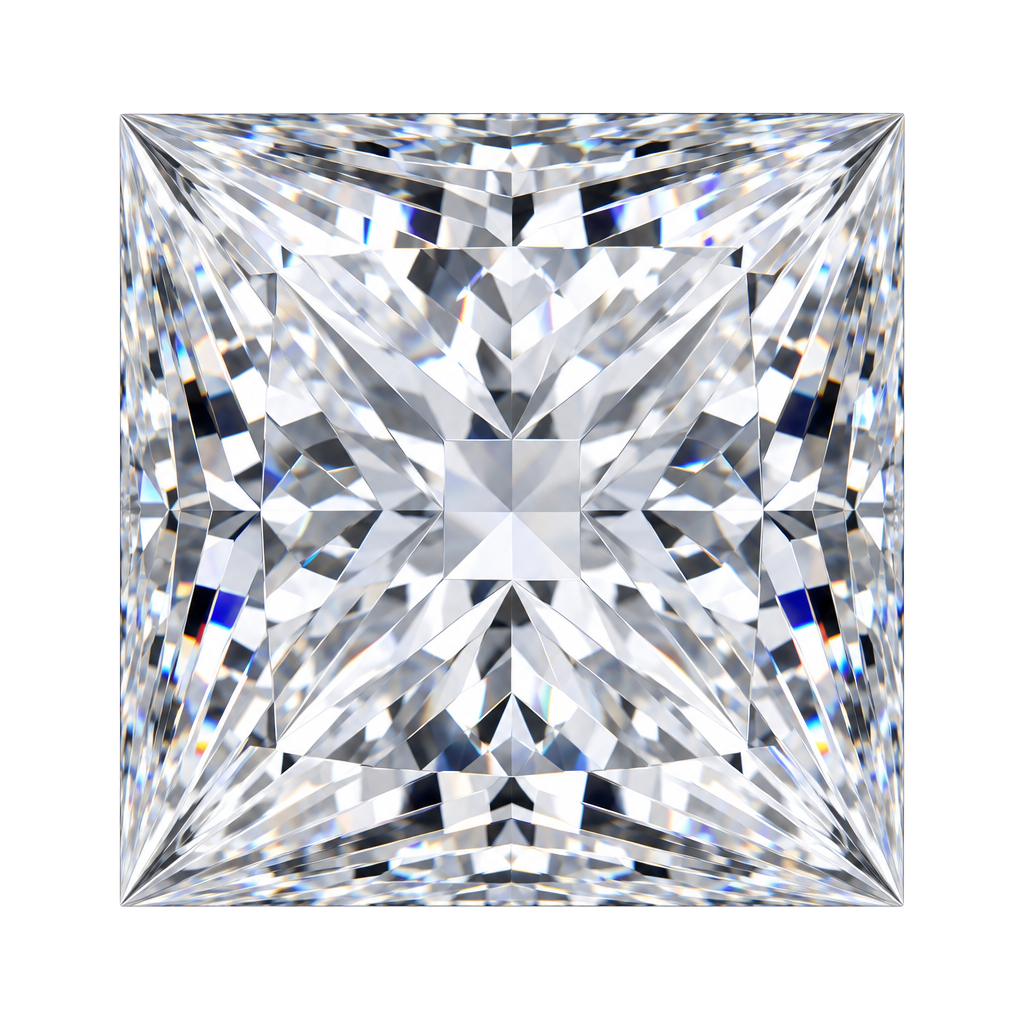
Princess
Sharp corners and modern brilliance — the classic square.
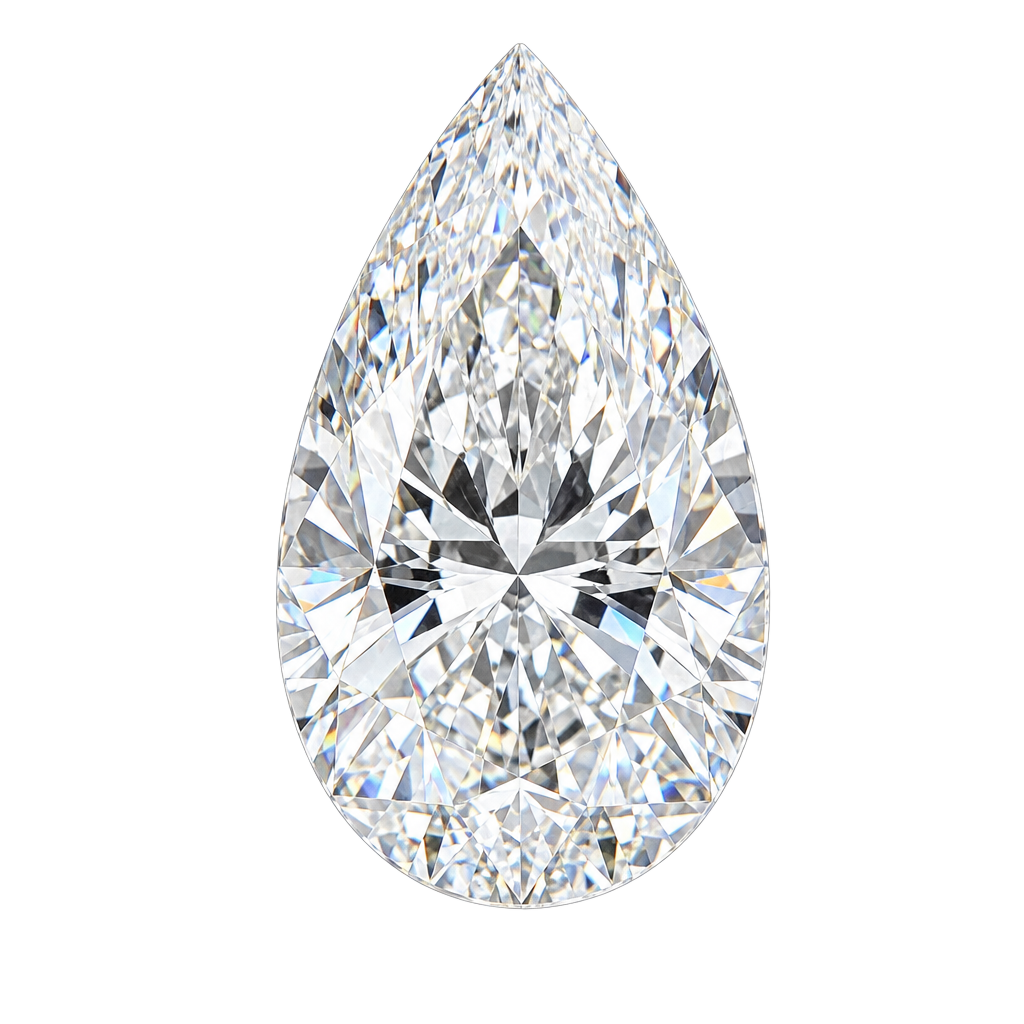
Pear
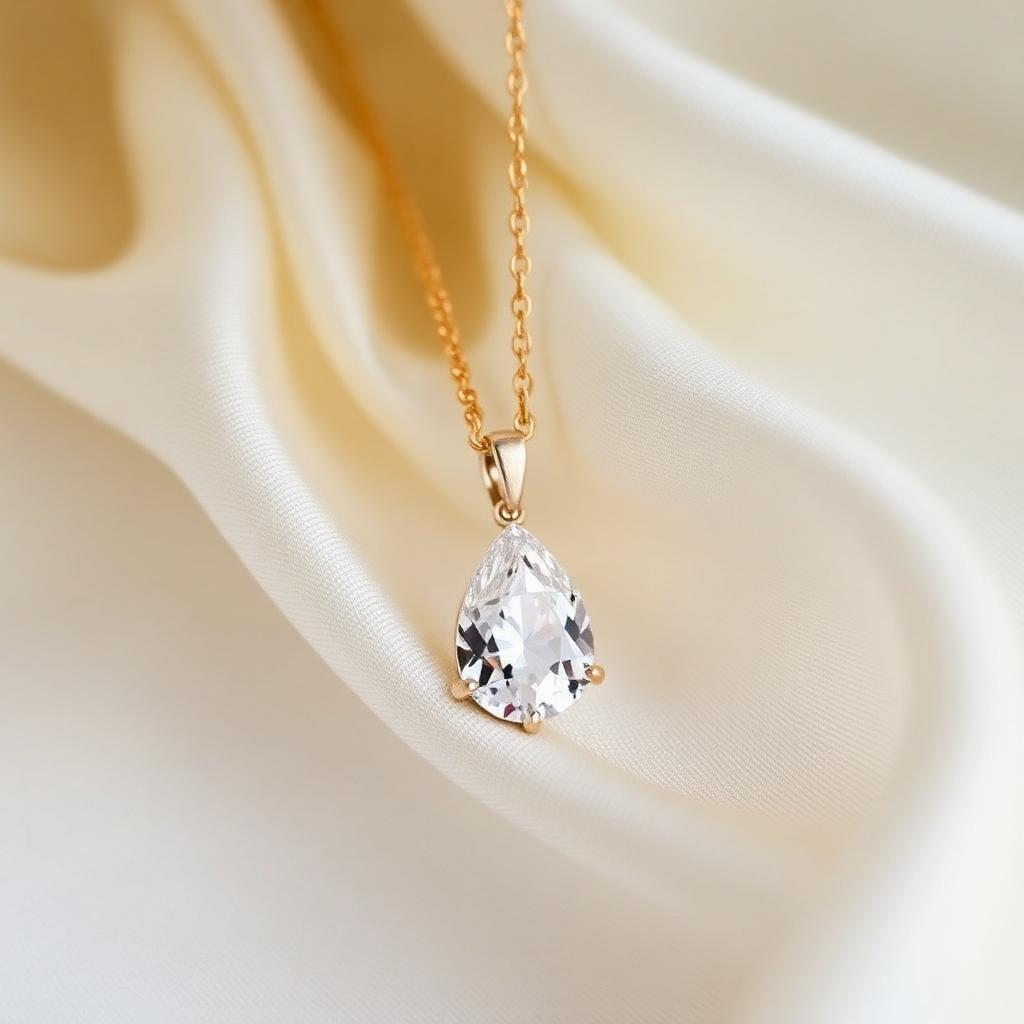
A teardrop silhouette — brilliant fire in a distinctive outline.
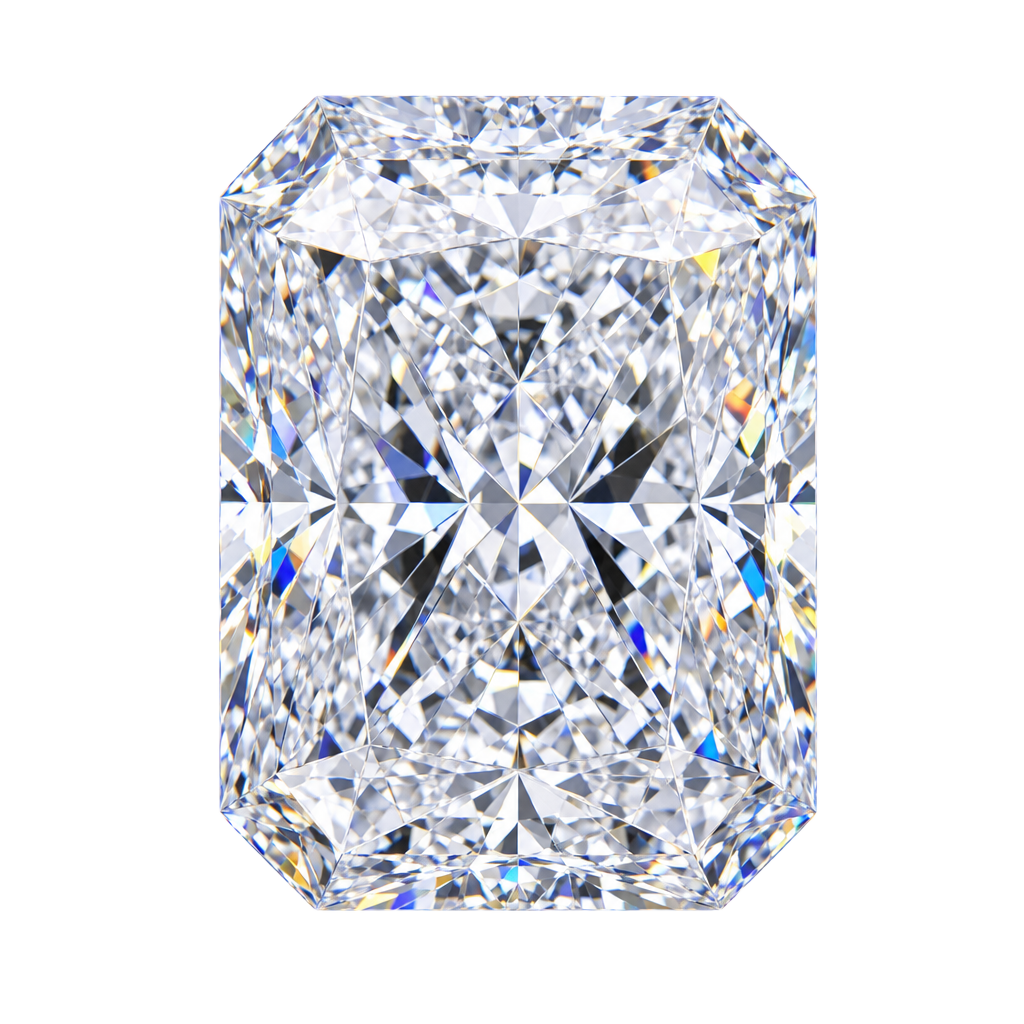
Radiant
Brilliant facets in a rectangular shape — sparkle plus boldness.
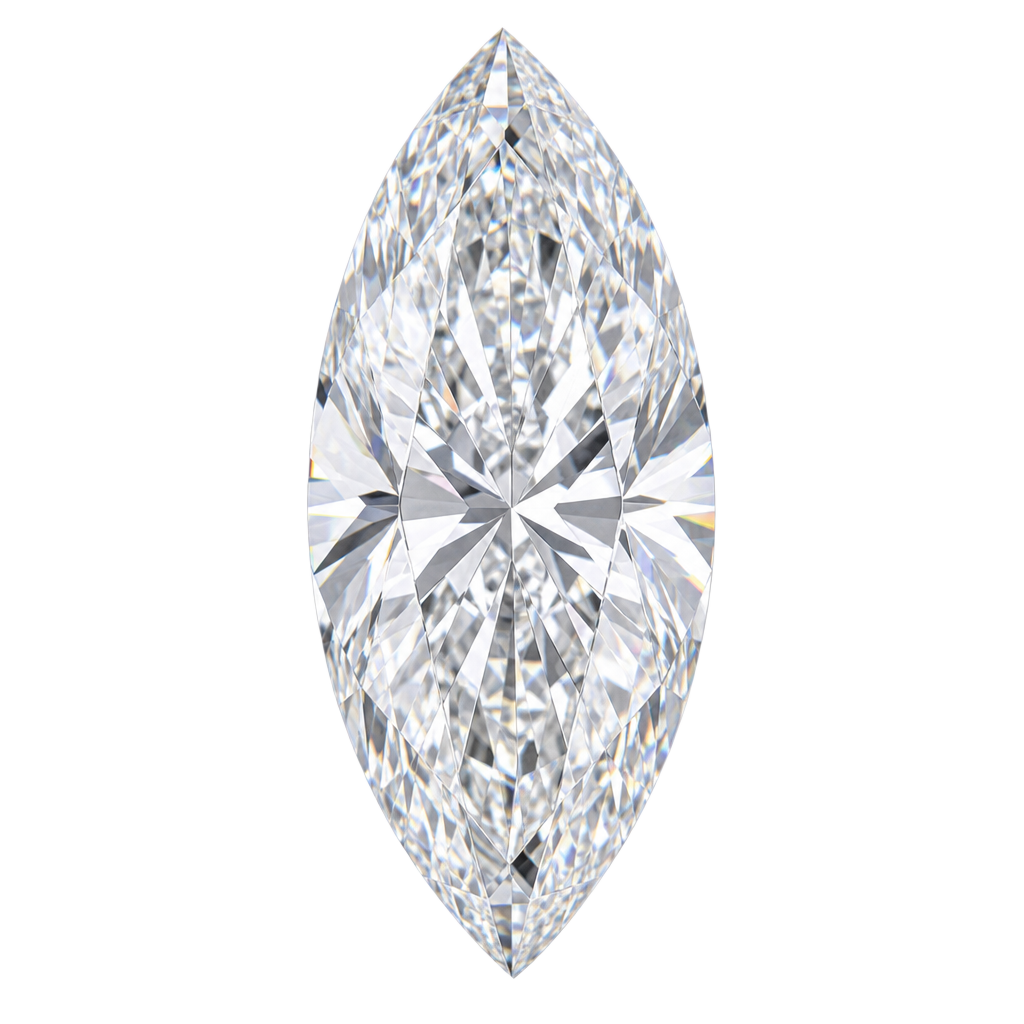
Marquise
Dramatic and elongating, often maximizing visual size on the finger.
Chapter Four
From a simple idea, a photo, an heirloom, or a sketch — here's how a custom piece comes to life in our atelier. Most projects take 4–6 weeks from consultation to pickup.
We learn your vision, style, budget, and timeline — in person, with no pressure.
We explore inspiration, stone options, and design possibilities together.
Our designers build a 3D rendering so you can see the piece before it's made.
Refine every detail — proportions, accent stones, engraving — before production.
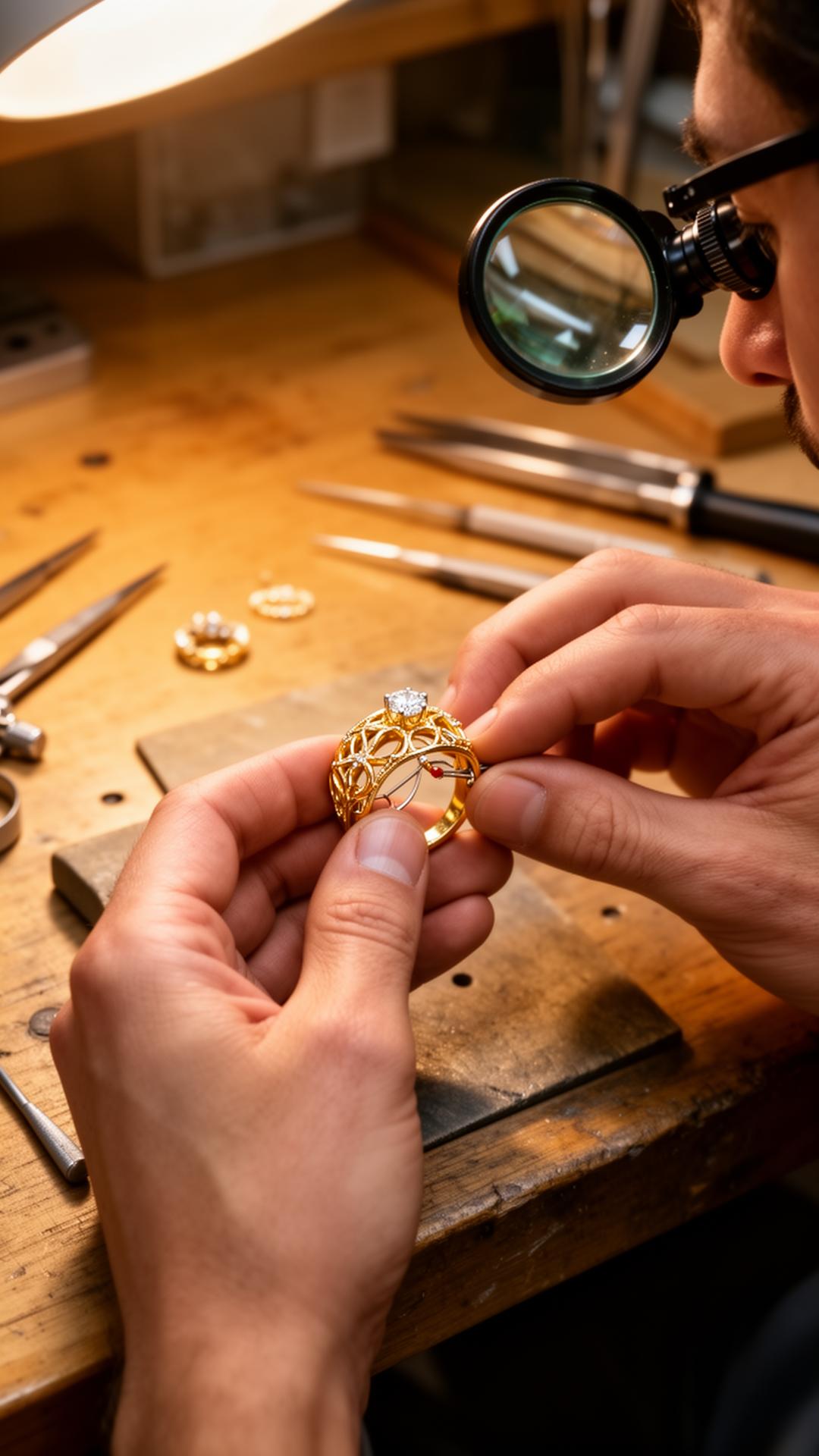
Cast, assembled, and prepared for setting in our workshop.
Diamonds and gemstones are set by hand by master bench jewelers.
Polished, inspected under magnification, and refined for a flawless finish.
Presented and reviewed with you — and warrantied with lifetime care.
Chapter Five
From sterling silver to platinum — the metal you choose affects color, durability, weight, and longevity.
92.5% silver, alloyed with copper for strength. Cool, bright white finish. Affordable and beautiful for fashion pieces, though it oxidizes over time and is softer than gold.
Harder and more scratch-resistant than 18kt — an excellent everyday choice. Available in yellow, white (rhodium-plated), and rose. The most popular gold purity for engagement rings and daily wear.
A richer, warmer color and higher precious-metal content. Slightly softer than 14kt, ideal for occasion jewelry and heirloom pieces. Yellow, white, and rose options available.
Naturally white and hypoallergenic — never needs rhodium plating. The most durable and enduring fine metal; develops a soft patina with wear. The traditional luxury choice for diamond settings.
Chapter Six
Cornflower blue is the classic, but sapphires also occur in pink, yellow, peach, and white. Hardness 9 on the Mohs scale makes them exceptionally durable for daily wear — a favorite for engagement rings that see a lifetime of use.
Deep, romantic red has made ruby one of history's most treasured gems. A variety of corundum (like sapphire) with the same hardness of 9, ruby symbolizes passion and protection. Fine stones show a vivid 'pigeon's blood' color with a soft glow.
Lush green with characteristic 'jardin' inclusions — internal gardens that are accepted as part of the stone's identity. Slightly softer than corundum, emeralds benefit from protective settings and gentle wear, yet their presence is unmistakable.
Birthstone Chart
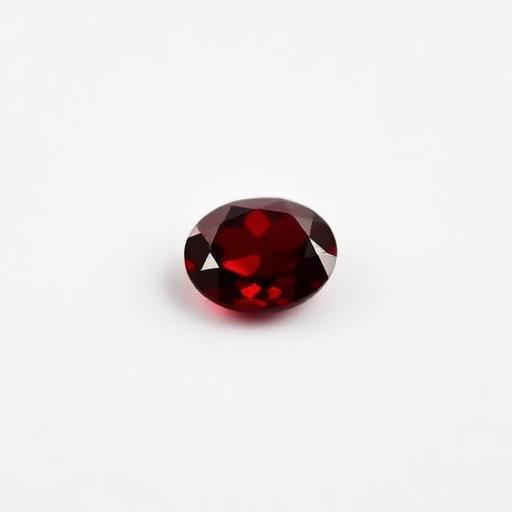
Jan
Garnet
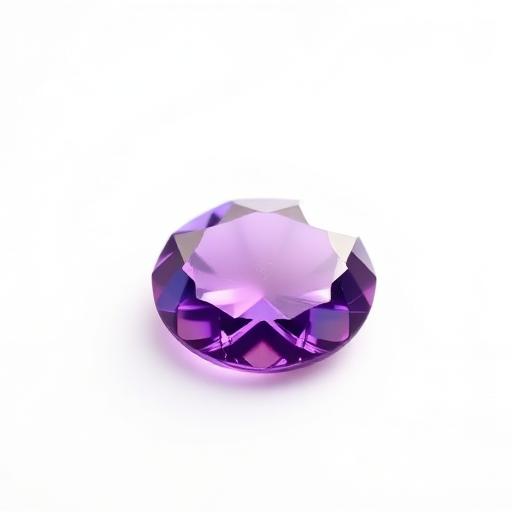
Feb
Amethyst
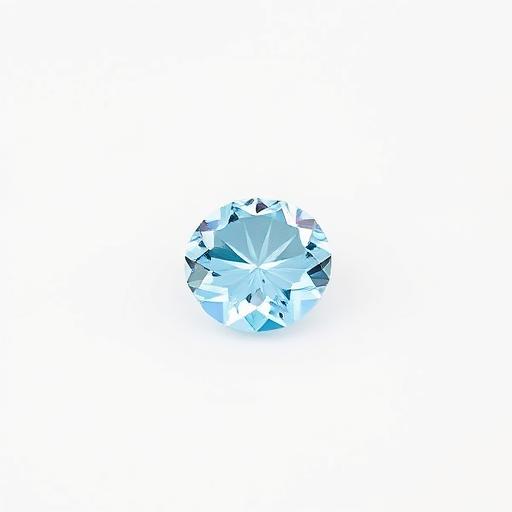
Mar
Aquamarine
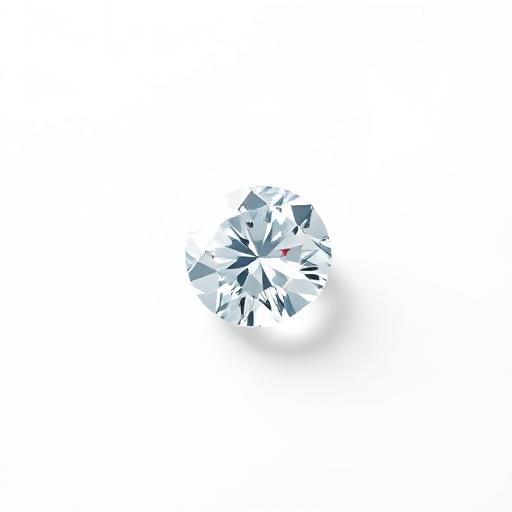
Apr
Diamond
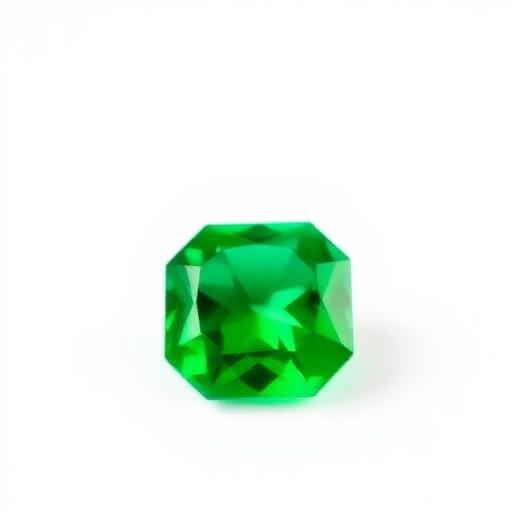
May
Emerald
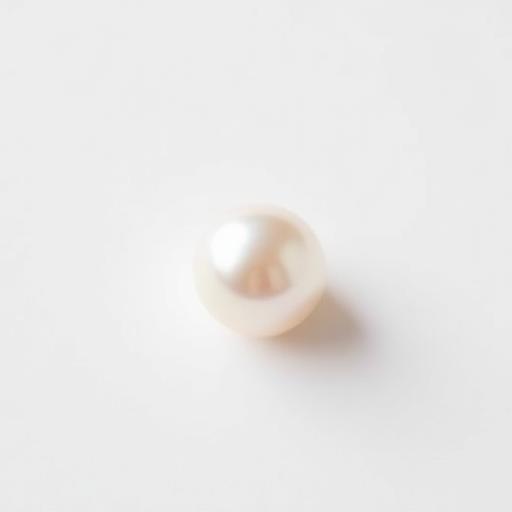
Jun
Pearl
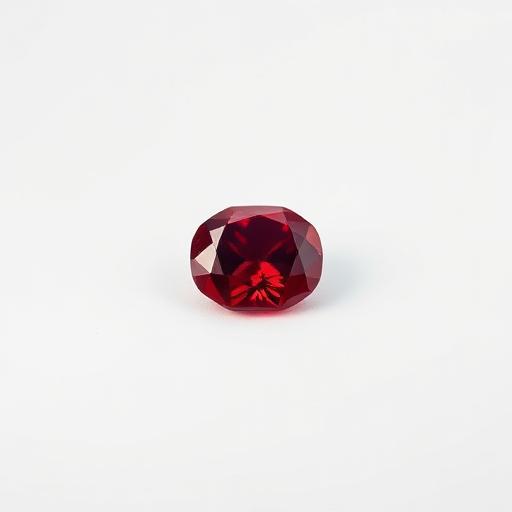
Jul
Ruby
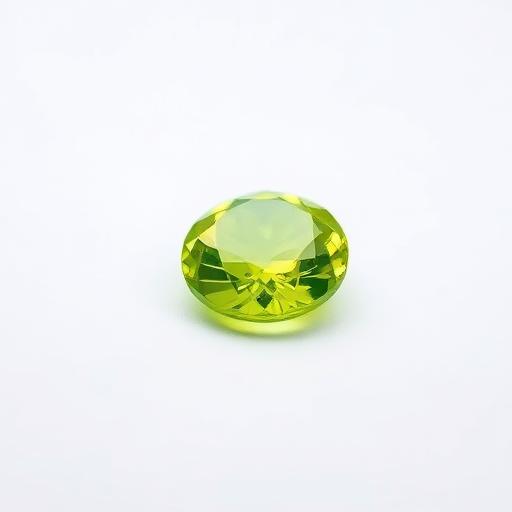
Aug
Peridot
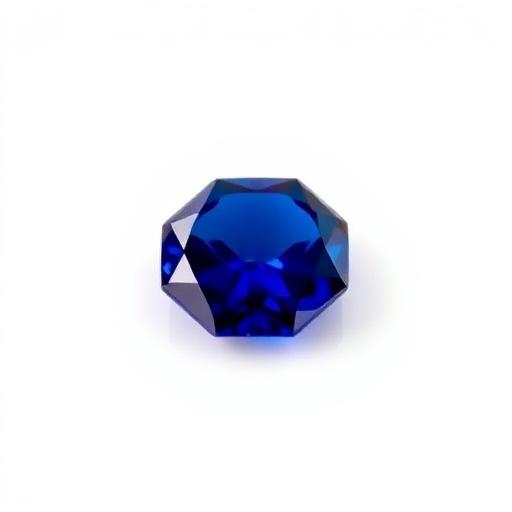
Sep
Sapphire
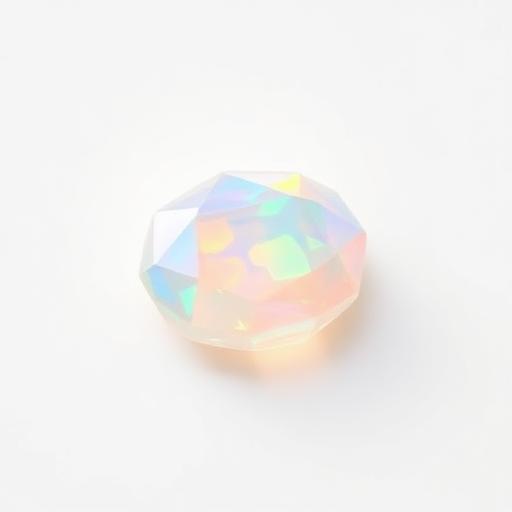
Oct
Opal
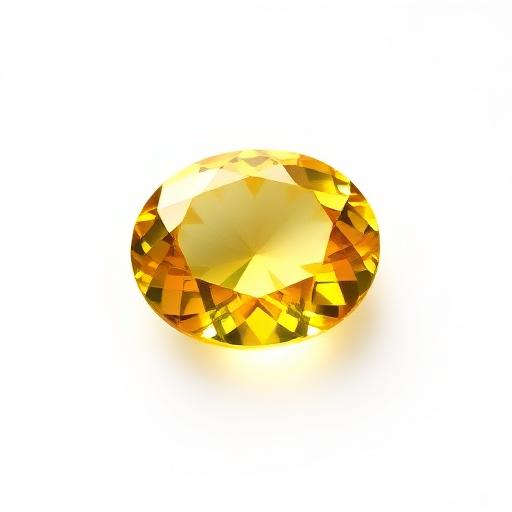
Nov
Topaz
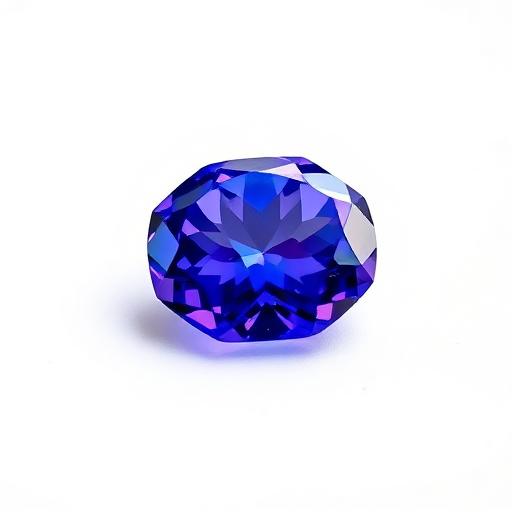
Dec
Tanzanite
Chapter Seven
Finger size fluctuates throughout the day and across the seasons — warmer weather, exercise, salt, and hydration all change fit. The ideal size goes on with gentle resistance and comes off with a slight pull over the knuckle.
Standard fit rings have flat interior walls; comfort fit rings have a slightly domed interior, sitting easier on the finger — especially for wider bands. Most of our custom work is comfort fit by default.
If you're shopping for a surprise proposal, borrow a ring she already wears on that finger and bring it in — we'll size it discreetly. Most rings can be sized up or down by 1–2 sizes after the fact, on our bench, in days.
Chapter Eight
Remove jewelry before exercise, swimming, gardening, or applying lotions and perfumes.
Clean weekly with warm water, a drop of mild dish soap, and a soft toothbrush. Rinse and pat dry.
Store each piece separately in a soft pouch to prevent scratching.
Visit us every 6 months for a complimentary professional cleaning and prong inspection.
Chapter Nine
Fine jewelry should be insured against loss, theft, and damage. We provide certified written appraisals — detailing materials, gemological grades, and replacement value — accepted by Jewelers Mutual, Lavalier, and major homeowner's insurance carriers. We recommend re-appraising every 3–5 years to keep pace with market values.
Still Have Questions?
No question is too small. Book a private consultation with our team — we love teaching as much as we love designing.
From the Atelier